
Purchasing an older property often feels like adopting a piece of history. There is an undeniable charm in original hardwood floors, solid timber framing, and the unique architectural quirks that modern constructions simply cannot replicate. However, the romance of a historic home can quickly collide with the harsh reality of deferred maintenance. When you are handed the keys to an aging house, it is incredibly tempting to immediately start tearing down wallpaper, picking out paint colors, and planning kitchen renovations. Yet, prioritizing cosmetic updates over foundational stability is one of the most common and expensive mistakes a new homeowner can make.
To successfully renovate an older home without exhausting your budget, you must adopt a strict triage methodology. This approach treats house projects like a medical emergency room: you must stabilize the critical, life-threatening systems before addressing minor, surface-level issues. By moving systematically from urgent, unseen infrastructure stabilization to high-return aesthetic upgrades, you protect your financial investment and ensure the property remains standing for another century.
Furthermore, anyone undertaking the rehabilitation of an aging structure must budget for the unknown. A golden rule of older homes is that whatever you can see is only half the story. Behind plaster walls and sagging floorboards lie surprises that will demand immediate financial attention. Setting aside a strict twenty percent cash contingency fund specifically for these hidden discoveries is not just a recommendation; it is an absolute necessity. Once your emergency fund is established and your mindset is focused on infrastructure first, you can begin the practical work of triaging your property.
Address Unseen Moisture and Sanitation Hazards First
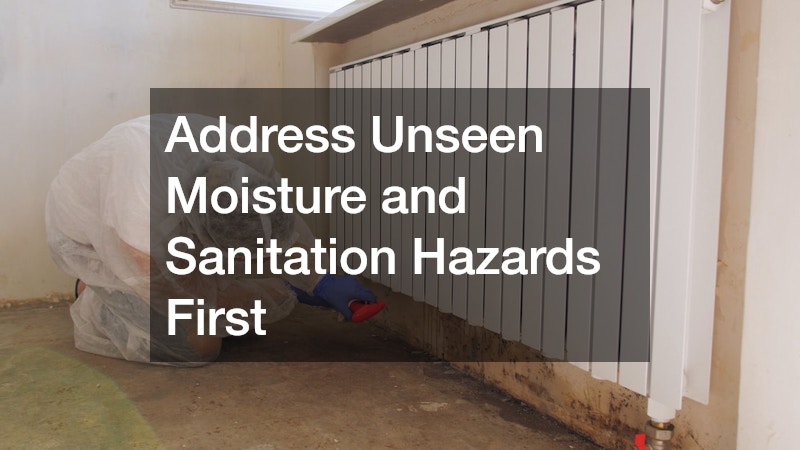
Stop Water Intrusion at the Foundation Level
Water is the single greatest enemy of an older home. A foundation that has stood for decades can rapidly deteriorate if shifting soil and poor drainage suddenly introduce bulk moisture to the concrete or stone materials. Before you invest a single dollar into interior renovations, you must ensure that the structural envelope is completely watertight. Older homes were often built with porous materials like limestone, fieldstone, or early cinder blocks that naturally wick moisture from the surrounding earth. When this moisture evaporates on the interior of the foundation walls, it leaves behind a white, powdery mineral deposit known as efflorescence. While efflorescence itself is harmless, it is a glaring red flag that hydrostatic pressure is pushing groundwater through your foundation.
If left unaddressed, persistent moisture will rot the sill plates, encourage subterranean termite infestations, and create the perfect dark, damp environment for toxic black mold to thrive. To combat this, homeowners must systematically evaluate their exterior drainage.
- Audit the Gutter System: Ensure that all gutters are clear of debris, securely fastened, and pitched correctly toward the downspouts.
- Extend Downspouts: Water must be discharged a minimum of six feet away from the foundation walls.
- Grade the Soil: The earth surrounding your house should slope away at a drop of at least six inches over the first ten feet. If you are hiring paving companies to redo your driveway or perimeter walkways, ensure they maintain this critical slope away from the structure.
- Address Interior Seepage: If exterior grading does not solve the issue, you will need to look at internal solutions. Bringing in professional basement waterproofing services early on prevents catastrophic framing rot by installing interior French drains, commercial-grade sump pumps, and vapor barriers that actively manage and eject invading water before it damages the home’s structural supports.
Map and Inspect Legacy Waste Systems Before Landscaping
If your older home is located in a rural or suburban area without municipal sewer access, it relies on a private underground waste management system. Often, properties built before the modern era have undocumented, unmapped, or severely outdated waste systems. Some may even still rely on ancient cesspools or terracotta pipes that have been crushed by decades of tree root growth.
Before you bring in heavy machinery to grade the yard, build a deck, or hire a local pool contractor to install a new backyard water feature, you must know exactly where your tank and leach field are located. Driving a skid-steer or even a heavy delivery truck over a fragile, aging leach field can instantly crush the lateral pipes, resulting in a biological hazard surfacing in your backyard and a repair bill that easily exceeds ten thousand dollars.
- Locate the System: If the previous owner did not leave a map, look for a slight depression in the yard, abnormally lush green grass during a dry spell, or melted snow in the winter.
- Clear the Area: Never plant trees or large shrubs over the drainage field, as aggressive roots are the leading cause of pipe failure.
- Assess the Tank: Older steel tanks can rust out entirely, while concrete tanks can crack and leak untreated waste into the surrounding groundwater.
- Perform Preventative Maintenance: Scheduling a routine septic tank service to pump the sludge, inspect the baffles, and digitally map the system’s footprint is a low-cost, high-reward investment that prevents raw sewage from backing up into your newly renovated ground-floor bathrooms.
Secure Vulnerable Utilities and Climate Systems
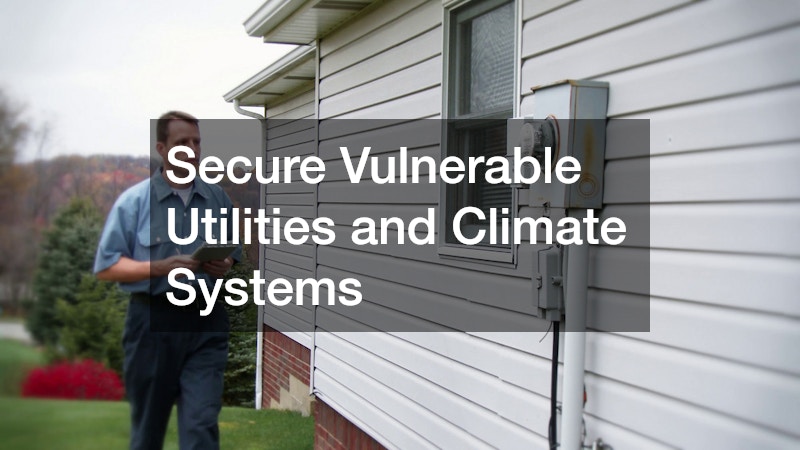
Safeguard Aging Electrical Grids From Power Surges
The electrical demands of the modern family are vastly different from those of the people who originally built your house. A century ago, a home’s electrical grid only needed to support a few incandescent bulbs and perhaps an early radio. Today, we plug in multiple high-draw appliances, central air conditioning units, heavy-duty power tools, and dozens of sensitive microprocessors found in televisions, computers, and smart home devices. Older electrical panels, particularly those relying on outdated fuses, Federal Pacific breakers, or ungrounded knob-and-tube wiring, are severe fire hazards that cannot safely handle modern electrical loads.
Beyond the risk of internal overloads, older homes are incredibly vulnerable to external electrical threats. A nearby electrical storm can send a massive surge of voltage through the aging grid, instantly frying tens of thousands of dollars worth of modern electronics and appliances.
- Upgrade to a Modern Panel: If your home still has a 60-amp or 100-amp service, upgrading to a 200-amp panel is the first step toward modernization.
- Install GFCI and AFCI Receptacles: Ground Fault Circuit Interrupters and Arc Fault Circuit Interrupters are critical safety devices that prevent electrocution and electrical fires in spaces prone to moisture, like kitchens and bathrooms.
- Implement Whole-House Surge Protection: For properties in storm-prone regions, contacting a reputable lightning protection company to install structural lightning rods, heavy-duty grounding cables, and whole-house surge arresters directly at the breaker box will shield your fragile modern appliances from catastrophic atmospheric electrical strikes.
Audit and Tune Legacy Climate Systems Before Winter
Older houses are notoriously difficult to heat and cool. They were built before modern insulation standards, often featuring uninsulated wall cavities, balloon framing that acts like a chimney for drafts, and single-pane glass. Because the building envelope is so inefficient, the mechanical systems tasked with regulating the climate must work twice as hard. If you have purchased a home with an aging boiler, an antiquated oil furnace, or a neglected heat pump, assessing its viability should be at the top of your triage list.
Waiting for a furnace to fail in the middle of a freezing January night is a strategic error. Emergency replacements command premium prices, and you will have zero leverage to negotiate when your pipes are at risk of freezing and bursting.
- Inspect the Heat Exchanger: In older gas furnaces, the heat exchanger can develop hairline cracks over time. These cracks are incredibly dangerous because they allow odorless, lethal carbon monoxide to escape into the living space.
- Evaluate Efficiency: A furnace built thirty years ago may only operate at sixty percent efficiency, meaning forty cents of every dollar you spend on fuel is literally going up the flue pipe.
- Perform Preventative Tuning: Bringing in certified heating contractors during the early autumn to clean the burners, test the limit switches, calibrate the thermostat, and lubricate the blower motor will maximize the lifespan of the existing equipment, giving you time to save up for a high-efficiency replacement down the line.
Improve Indoor Air Quality and Thermal Efficiency

Eradicate Decades of Accumulated Dust and Allergens
When you buy an old house, you are also buying decades of organic and inorganic particulate matter left behind by previous occupants. The ductwork winding through the walls and ceilings of a mid-century home has likely collected an alarming volume of pet dander, dead skin cells, construction debris from past remodels, and heavy dust mites. In some cases, previous owners may have smoked indoors for years, leaving a sticky, foul-smelling tar residue coating the inside of the ventilation system. Much like how a pressure washing service strips decades of grime from a home’s exterior, professional duct cleaners strip this dangerous accumulation from your home’s internal respiratory system. Furthermore, older homes often contain hazards like lead paint dust or degraded asbestos insulation fibers, which can settle out of sight.
Every time the blower motor kicks on, these accumulated pollutants are circulated through the breathing air of your family. This can trigger severe asthma, chronic allergies, and persistent respiratory irritation.
- Identify the Warning Signs: Look for dark, fuzzy dust trails accumulating on the ceiling or wall immediately surrounding the supply registers. A musty, stale odor when the heat turns on is another strong indicator of dirty ductwork.
- Change Filters Relentlessly: During the first year of living in an older home, inspect and change your HVAC filters every thirty days to capture as much loose debris as possible.
- Sanitize the System: Booking professional air duct cleanings utilizes high-powered, truck-mounted vacuums and rotary brushes to scour the interior of the galvanized sheet metal, instantly improving your daily respiratory health, removing stale odors, and reducing the friction strain on your aging blower motor.
Insulate Drafty Original Glass Without Replacing It

One of the defining characteristics of a historic property is its original architectural windows. Whether they are leaded glass, double-hung wood sash, or steel casement windows, they provide character and proportion that modern vinyl replacements simply cannot match. Unfortunately, original single-pane glass has virtually zero thermal resistance. Furthermore, the glazing putty that holds the glass in place has likely dried out and cracked, and the original weatherstripping has disintegrated.
Many new homeowners assume they must immediately spend tens of thousands of dollars to rip out the original windows and install modern, double-paned alternatives. However, replacing historic windows actually destroys the architectural integrity of the home and rarely provides a return on investment through energy savings alone. Instead, there are highly affordable ways to secure the thermal envelope while keeping the original charm intact.
- Restore the Glazing and Weatherstripping: Carefully chip out old, loose putty and apply new glazing compound. If your home features aging steel casement windows, an electrostatic painting service can flawlessly refinish the metal frames, but you must still install modern spring-bronze or silicone weatherstripping around the sashes to block physical drafts.
- Install Exterior Storm Windows: Low-profile aluminum or wood storm windows create an insulating pocket of dead air between the exterior elements and the original glass, effectively mimicking the performance of a double-paned unit.
- Layer Interior Thermal Barriers: By mounting heavy, floor-to-ceiling thermal-lined window treatments, you create a beautiful interior aesthetic while physically trapping radiant heat inside during the winter and blocking intense solar gain during the summer, drastically reducing your monthly utility bills.
Phasing your renovations over several years allows you to replenish your cash reserves while thoughtfully addressing each system of the house in order of critical importance. Furthermore, as you systematically repair and upgrade the property, it is imperative to document every dollar spent on infrastructure. Keep a detailed, organized binder containing every invoice, warranty, and before-and-after photograph of your structural and safety repairs. While future buyers or refinancing appraisers may easily see the fresh paint and polished floors, your meticulously kept records will explicitly prove the immense underlying value of the stabilized foundation, the upgraded electrical grid, and the efficient climate systems.
Owning a piece of history requires patience, resilience, and strategic financial planning. By focusing on smart, prioritized triage, you will successfully honor the architectural heritage of your property while simultaneously transforming it into a secure, comfortable, and highly efficient home for generations to come.
About the Author