
Introduction
Many of the most expensive home repairs begin as small, easy-to-miss issues. A tiny roof leak, a slow drain, or a drafty window might not seem urgent at first, but over time these minor problems can develop into major structural damage, mold growth, equipment failures, or skyrocketing energy costs. The key to protecting your home and your finances is early detection combined with routine maintenance.
Preventative home care involves more than fixing things when they break. Smart homeowners learn to recognize warning signs, schedule inspections, and address issues before they become emergencies. By taking a proactive approach, you can extend the lifespan of major home systems, improve energy efficiency, and avoid sudden repair bills that disrupt your budget.
This guide walks through practical strategies for spotting potential problems throughout your home—from roofing and plumbing to HVAC systems, foundations, and exterior surfaces. You’ll also learn how to work with professionals and establish a maintenance routine that keeps your property in excellent condition year after year.
Start at the Top: Identifying Early Signs of Roof Damage Before It Spreads
Your roof protects every part of your home, yet it’s also one of the most overlooked areas when it comes to preventative maintenance. Because roof damage is often hidden from everyday view, small problems can worsen for months before homeowners notice them.
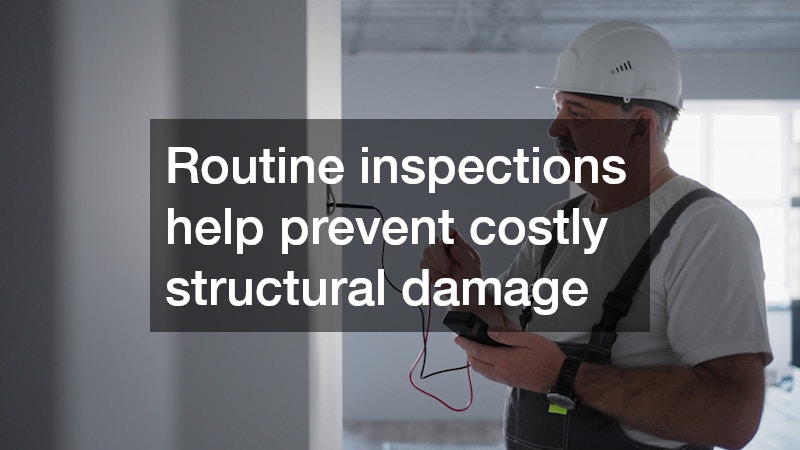
Routine inspections are one of the most effective ways to prevent costly structural damage. Many residential roofing companies recommend inspecting your roof at least twice a year—typically in spring and fall—and after major storms.
Some warning signs can be spotted from the ground, including:
-
Shingles that appear curled, cracked, or missing
-
Dark streaks or moss growth on the roof surface
-
Debris buildup in gutters
-
Sagging areas along roof lines
-
Granules accumulating in downspouts
Inside the home, you may notice additional warning signs:
-
Water stains on ceilings or walls
-
Damp attic insulation
-
Sunlight visible through attic boards
-
Musty odors in upper rooms
When you notice these issues early, local roof repair services can often resolve the problem quickly and affordably. Small repairs such as replacing damaged shingles, resealing flashing, or patching minor leaks are far less expensive than replacing an entire roof.
Preventative roof care also includes regular maintenance tasks like:
-
Cleaning gutters to prevent water backup
-
Trimming tree branches that hang over the roof
-
Removing moss or debris buildup
-
Checking flashing around vents and chimneys
Taking care of your roof helps protect insulation, drywall, flooring, and structural framing from water damage that can become extremely costly to repair.
Maintain Indoor Comfort Systems Before Breakdowns Happen
Heating and cooling systems are among the most heavily used mechanical components in any home. Because these systems operate year-round, even small performance issues can lead to equipment failures if left unaddressed.
Routine hvac inspections help identify problems before they escalate into expensive repairs or complete system replacements. A professional technician can check electrical components, refrigerant levels, airflow, and system efficiency to ensure everything is operating properly.
Homeowners should watch for early warning signs that something may be wrong with their cooling system. These include:
-
Rooms that feel warmer or cooler than others
-
Sudden spikes in energy bills
-
Unusual noises such as grinding or rattling
-
Weak airflow coming from vents
-
Strange odors when the system turns on
When these symptoms appear, scheduling ac repair quickly can prevent more extensive damage. Issues such as refrigerant leaks, failing capacitors, or clogged coils are much easier and cheaper to fix when caught early.
In addition to professional servicing, homeowners can perform several simple maintenance tasks:
-
Replace air filters every 1–3 months
-
Keep outdoor condenser units free of leaves and debris
-
Make sure furniture does not block vents
-
Clean supply and return vents periodically
Regular HVAC care helps maintain comfortable indoor temperatures, improves air quality, and extends the life of your heating and cooling equipment.
Prevent Plumbing Emergencies with Routine System Checks
Plumbing issues often develop slowly, which means homeowners have many opportunities to detect problems before they become emergencies. Unlike sudden mechanical failures, plumbing systems typically provide early warning signs that something is wrong. Paying attention to these signals can help homeowners resolve minor concerns before they escalate into costly structural damage, mold growth, or extensive water restoration work. Even a small leak left unattended can cause significant damage to walls, flooring, insulation, and cabinetry over time.
Professional plumbers often rely on specialized equipment and parts available through a plumbing supplies service to maintain and repair residential systems effectively. These suppliers provide durable valves, fittings, connectors, and pipe materials designed to withstand long-term use. When repairs are completed with high-quality components, the risk of repeat leaks or system failures is significantly reduced. Reliable parts also help maintain proper water pressure and ensure that plumbing systems continue operating efficiently for years.
Some early signs of plumbing trouble include:
-
Slow-draining sinks or bathtubs
-
Fluctuating water pressure
-
Persistent dripping faucets
-
Unusual pipe noises when water runs
-
Unexplained increases in water bills
Each of these issues may seem minor at first, but they often indicate underlying problems that require attention. Slow drains, for example, can signal buildup inside pipes or partial blockages forming deeper within the plumbing system. If ignored, these blockages can eventually cause complete clogs that require extensive pipe cleaning or removal.
Fluctuating water pressure may indicate hidden leaks, mineral buildup inside pipes, or problems with the main supply line. Persistent dripping faucets might appear harmless, but they waste water and place unnecessary strain on plumbing fixtures. Over time, worn washers or seals can deteriorate further and lead to more serious leaks.
Strange sounds within plumbing systems are another common indicator of trouble. Banging or rattling pipes may suggest loose pipe supports or pressure fluctuations inside the system. Whistling noises could indicate restricted water flow caused by sediment buildup or partially closed valves. These sounds should not be ignored, as they often signal mechanical stress within the system that may worsen over time.
Kitchen plumbing systems require particular attention, especially in homes where cooking is frequent. Food scraps, grease, and oils often make their way into drains despite careful disposal practices. As these substances cool, they solidify inside pipes and gradually accumulate along the inner walls. This buildup narrows the pipe diameter and slows drainage, eventually leading to stubborn clogs and unpleasant odors.
Scheduling a grease trap cleaning service helps remove these buildups before they lead to major blockages. Regular cleaning ensures that grease and food particles are properly separated from wastewater before entering the main drainage system. This preventative measure is particularly valuable in busy households where kitchen sinks and dishwashers are used heavily every day.
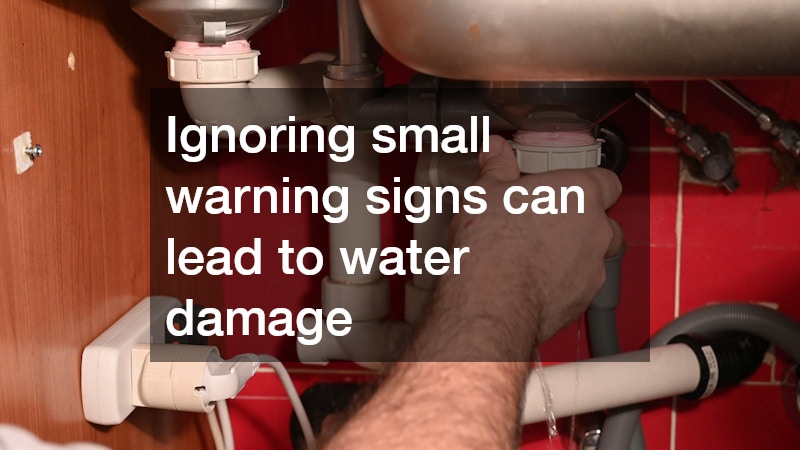
In addition to kitchen maintenance, homeowners should routinely inspect other plumbing fixtures throughout the house. Bathrooms, laundry rooms, and utility areas often contain multiple connections, valves, and hoses that can deteriorate with age. Catching small leaks early can prevent moisture from spreading into surrounding building materials.
Homeowners can also prevent plumbing problems by practicing good habits:
-
Avoid pouring grease or oil down drains
-
Use drain strainers to catch food scraps and hair
-
Inspect exposed pipes for corrosion or leaks
-
Test shut-off valves periodically
It is also helpful to monitor areas that are prone to hidden plumbing issues. Cabinets beneath sinks, for example, may conceal slow leaks that remain unnoticed for long periods. Checking these spaces occasionally for dampness, mold growth, or warped materials can reveal problems before they spread.
Laundry rooms are another common location for plumbing failures. Washing machine hoses can weaken over time, especially if they are made of older rubber materials. Replacing aging hoses with reinforced versions and checking connections periodically can prevent sudden bursts that release large volumes of water.
Outdoor plumbing systems should not be overlooked either. Exterior hose bibs and irrigation lines may develop leaks due to weather exposure or freezing temperatures. Inspecting these fixtures regularly and ensuring they are properly winterized can prevent pipe damage and water waste.
Regular plumbing maintenance can also improve the overall efficiency of a home’s water system. Clean pipes allow water to flow freely, reducing strain on pumps and appliances such as dishwashers, washing machines, and water heaters. Efficient plumbing systems help lower water bills while minimizing the risk of unexpected failures.
Stop Water Intrusion Before It Damages Your Foundation
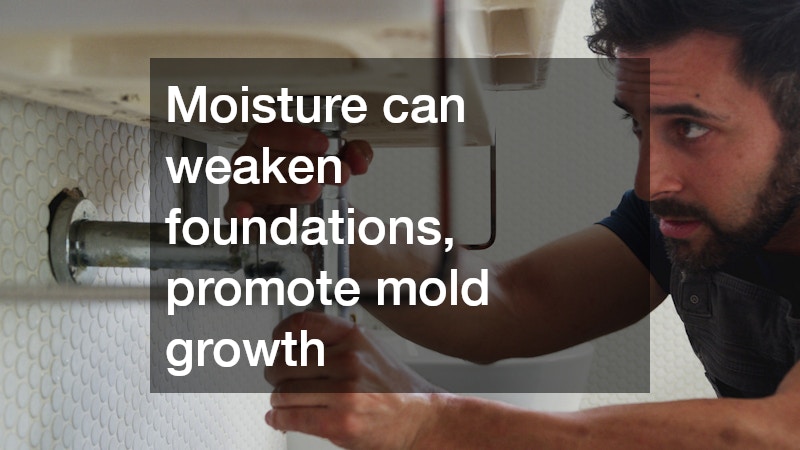
Water is one of the most destructive forces affecting homes. When moisture seeps into basements or crawl spaces, it can weaken foundations, promote mold growth, and damage stored belongings.
Many homeowners first notice moisture problems through subtle warning signs such as:
-
A persistent musty smell in the basement
-
Damp spots on walls or floors
-
Peeling paint or bubbling drywall
-
White powdery residue on concrete surfaces
If these signs appear, it may be time to consult basement waterproofing companies that specialize in diagnosing and correcting moisture issues. Professionals can evaluate drainage systems, foundation cracks, and soil conditions around the property.
Several exterior factors contribute to basement water problems, including poor drainage around the home. Driveways and paved areas that have deteriorated over time may allow water to pool near the foundation. Applying asphalt sealer helps protect these surfaces from cracking while directing rainwater away from vulnerable areas.
Other preventative steps homeowners can take include:
-
Ensuring gutters and downspouts direct water away from the house
-
Maintaining proper grading around the property
-
Installing sump pumps in high-moisture areas
-
Sealing visible foundation cracks
Addressing moisture problems early protects the structural integrity of your home and prevents costly foundation repairs.
Upgrade Aging Windows to Prevent Energy Loss and Structural Damage
Windows play an important role in maintaining energy efficiency, indoor comfort, and structural protection. Over time, however, window frames, seals, and glass panes can deteriorate, allowing drafts and moisture to enter the home.
Older windows may begin to show several warning signs:
-
Cold drafts near window frames
-
Condensation forming between glass panes
-
Difficulty opening or closing windows
-
Warped or rotting frames
-
Increased outside noise inside the home
These problems not only make your home less comfortable but can also strain heating and cooling systems. Scheduling a professional replacement window service can dramatically improve insulation and reduce energy consumption.
Modern window designs offer several benefits, including:
-
Improved thermal insulation through double or triple-pane glass
-
Low-emissivity coatings that reflect heat
-
Weather-resistant framing materials
-
Better sealing technologies that reduce air leaks
Homeowners should also conduct routine inspections to ensure window components remain in good condition. Seasonal maintenance may include:
-
Replacing worn caulking around frames
-
Cleaning window tracks
-
Checking for gaps in weatherstripping
-
Inspecting frames for signs of moisture damage
Replacing aging windows not only improves comfort but also increases property value and enhances curb appeal.
Source Quality Materials to Prevent Costly DIY Mistakes
Many homeowners enjoy tackling small repairs themselves, but the quality of materials used can determine whether a repair lasts for years or fails within months. Using inferior parts often leads to recurring problems that ultimately cost more to fix.
Professional contractors frequently rely on contractor supply shops because these stores carry higher-grade materials than standard retail outlets. These suppliers often stock specialized tools, durable fixtures, and professional-grade building components designed to withstand heavy use.
For plumbing repairs, sourcing reliable components through a plumbing supplies service ensures compatibility and durability. High-quality valves, fittings, and connectors reduce the risk of leaks and premature failures.
When purchasing materials for home repairs, homeowners should consider several factors:
-
Durability and material quality
-
Compatibility with existing systems
-
Manufacturer warranties
-
Professional recommendations
Projects where material quality is especially important include:
-
Plumbing fixture replacements
-
Roofing repairs
-
HVAC component replacements
-
Waterproofing applications
Choosing reliable materials from trusted suppliers reduces the likelihood of repeat repairs and helps homeowners complete projects with confidence.

Protect Outdoor Surfaces to Extend the Life of Your Property
Exterior surfaces such as driveways, walkways, and patios are constantly exposed to weather conditions, temperature fluctuations, and vehicle traffic. Over time, these factors can cause cracking, fading, and surface deterioration.
One of the most effective ways to protect paved surfaces is applying asphalt sealer on a regular schedule. Sealing helps prevent water penetration, UV damage, and chemical exposure that can weaken asphalt over time.
Signs that your driveway may need sealing include:
-
Visible cracks or surface splits
-
Fading or gray patches
-
Rough or brittle texture
-
Small potholes beginning to form
Maintaining these surfaces doesn’t always require professional intervention. Homeowners can often find maintenance tools and materials at contractor supply shops that specialize in durable exterior products.
Basic driveway maintenance steps include:
-
Sweeping debris regularly
-
Cleaning oil or chemical spills
-
Filling small cracks before they spread
-
Scheduling resealing every few years
Keeping outdoor surfaces in good condition not only improves the appearance of your property but also helps prevent water from pooling near your home’s foundation.
Build a Preventative Maintenance Schedule for the Whole Home
The most effective way to prevent expensive home repairs is to establish a structured maintenance schedule. Instead of waiting for problems to appear, proactive homeowners plan regular inspections and service appointments throughout the year.
For example, scheduling hvac inspections annually ensures heating and cooling systems remain efficient and reliable. Likewise, periodic evaluations by basement waterproofing companies can detect drainage issues before they threaten the foundation.
A simple seasonal maintenance schedule may look like this:
Spring
-
Inspect roofing and gutters for winter damage
-
Schedule HVAC servicing before summer heat
-
Check exterior drainage systems
Summer
-
Repair driveway cracks and reseal surfaces
-
Inspect outdoor plumbing fixtures
-
Clean and maintain exterior siding
Fall
-
Inspect windows and weatherstripping
-
Clean gutters and downspouts
-
Prepare HVAC systems for colder weather
Winter
-
Monitor indoor humidity levels
-
Inspect plumbing pipes for freezing risks
-
Check basement areas for moisture buildup
Keeping a written checklist or digital reminder system helps homeowners stay consistent with maintenance tasks. Over time, this proactive approach significantly reduces emergency repairs and extends the lifespan of major home systems.
Conclusion
Preventing expensive home repairs is less about reacting to problems and more about recognizing early warning signs and acting quickly. By inspecting key areas of your home, maintaining essential systems, and working with skilled professionals, you can address small issues before they develop into major structural or mechanical failures.
Routine maintenance protects your investment, improves comfort, and ensures that your home remains a safe and reliable place to live. When homeowners adopt a proactive approach to care and upkeep, they not only reduce long-term expenses but also preserve the value and integrity of their property for years to come.
About the Author